Menu
Attractions
Serene Locations and Landscapes
Plan Your Visit
Kargil, with its unique blend of adventure and natural beauty, promises an experience like no other. Whether you’re seeking serene Landscapes, thrilling circuits, or cultural immersion, our curated experiences ensure that you make the most of your visit to this magical region.
Nearby Attractions
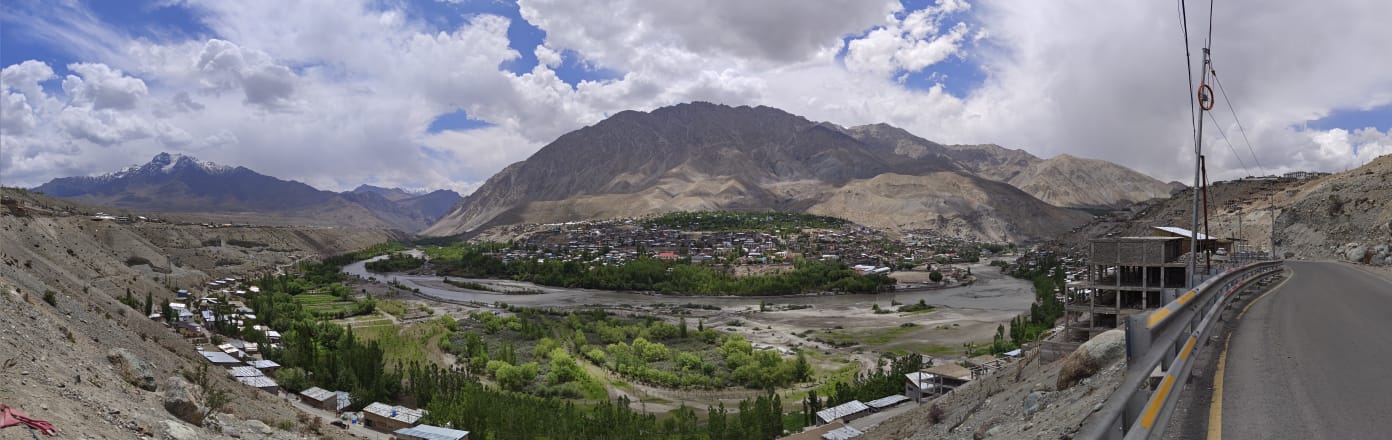
Panoramic View Kargil Town
Kargil offers a blend of historical significance, cultural heritage, and panoramic views. Here are several attractions near the city center that provide a great introduction to the region.
Attractions
“At Apricot Inn, we don’t just offer a room; we offer a key to the untold stories of Ladakh. From the echoes of the Silk Route at the Munshi Aziz Bhat Museum to the ancient whispers of the rock-cut Buddhas, stay with us and explore the soul of Kargil.”
For guests seeking a truly unique cultural experience, the Aryan Valley is home to the Brokpa community. They are believed to be the last remnants of the “Pure Aryan” race, descendants of Alexander the Great’s army.
The Experience: Witness their distinct traditions, colorful flower-adorned headgear (Monthu Tho), and a language (Shina) that differs from the rest of Ladakh.
Why Visit: It’s a lower-altitude valley where apricots, grapes, and walnuts grow in abundance, perfect for a warmer day trip.
Situated at over 4,000 meters at the head of the Suru Valley, Rangdum looks like a fortress on a “sugarloaf” hill. It is isolated, wild, and incredibly peaceful.
Unique Feature: Although in the Suru Valley, its culture and monks are deeply connected to Zanskar.
Why Visit: The backdrop of the Parkachik Glacier and the vast, barren plains makes it one of the most photogenic spots in the district.
For history enthusiasts, the is a hidden treasure in Kargil town. This family-run museum chronicles the era of the Silk Route trade, showcasing artifacts that traveled across borders decades ago.
Highlights: Ancient coins, traditional Ladakhi costumes, and rare manuscripts from the Central Asian trade routes.
Vibe: Intimate, educational, and nostalgic.
Travel Tip: A great evening activity within Kargil town, just a short walk from the main market.
Located in the world’s second coldest inhabited place, Drass, this memorial is a poignant tribute to the bravery of the Indian Armed Forces. It stands against the backdrop of the very peaks—Tiger Hill and Tololing—where history was written in 1999.
Highlights: The “Manoj Pandey” gallery housing war memorabilia and the eternal flame (Amar Jawan Jyoti).
Vibe: Solemn, patriotic, and awe-inspiring.
Travel Tip: It is best visited during the day while traveling between Srinagar and Kargil.
A marvel of ancient craftsmanship, the at Mulbekh features a 30-foot-tall Maitreya Buddha carved directly into a limestone cliff. It serves as the gateway to the Buddhist-majority regions of Ladakh. Highlights: The intricate rock relief dating back to the 8th century and the two perched monasteries (Gompas).
Vibe: Spiritual, historic, and culturally rich.
Travel Tip: Located right on the highway, it makes for a perfect photography and meditation stop.
The is the greenest heart of the Kargil district. It offers a stunning contrast of emerald fields against the towering, snow-clad twin peaks of Nun (7,135m) and Kun (7,077m).
Highlights: Lush apricot orchards, the winding Suru River, and base camps for high-altitude mountaineering.
Vibe: Serene, vast, and a paradise for landscape photographers.
Travel Tip: Visit in early spring to see the apricot blossoms or in autumn for golden foliage.
Cultural and Historical Experiences

Festivals: The Pulse of the Valley
If your visit aligns, witnessing a local festival is a must:
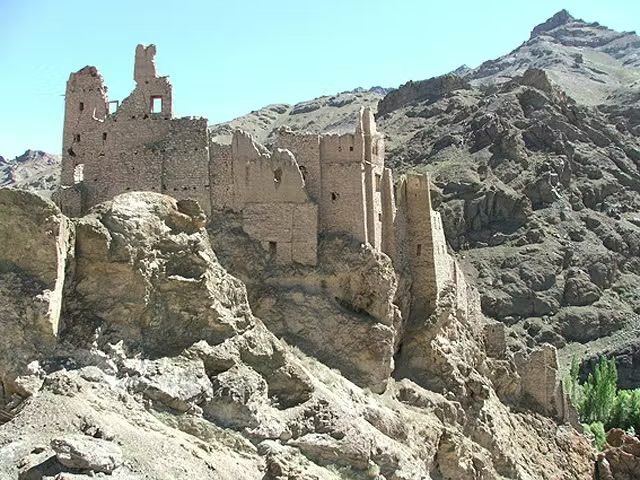
Historic Forts and "Ghost" Castles
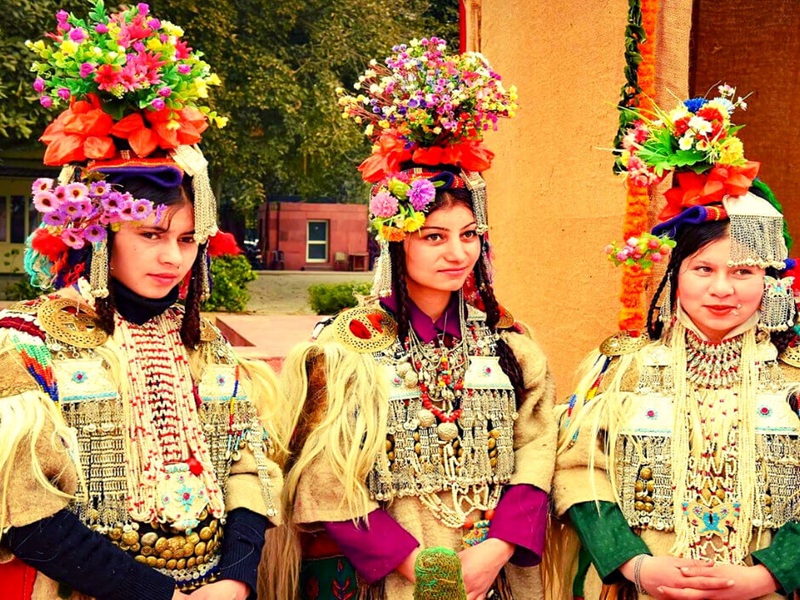
The Aryan Valley (Cultural Mystery)
The villages of Dah, Hanu, Garkon, and Darchik are home to the Brokpa community. Legend identifies them as the “last pure Aryans,” descendants of Alexander the Great’s army.
The Experience: They have preserved their unique language (Shina) and distinct dress—most notably the floral headgear worn by both men and women, which they believe wards off evil spirits.